Aluminium Scaffolding: A Modern Solution for Safe and Efficient Construction
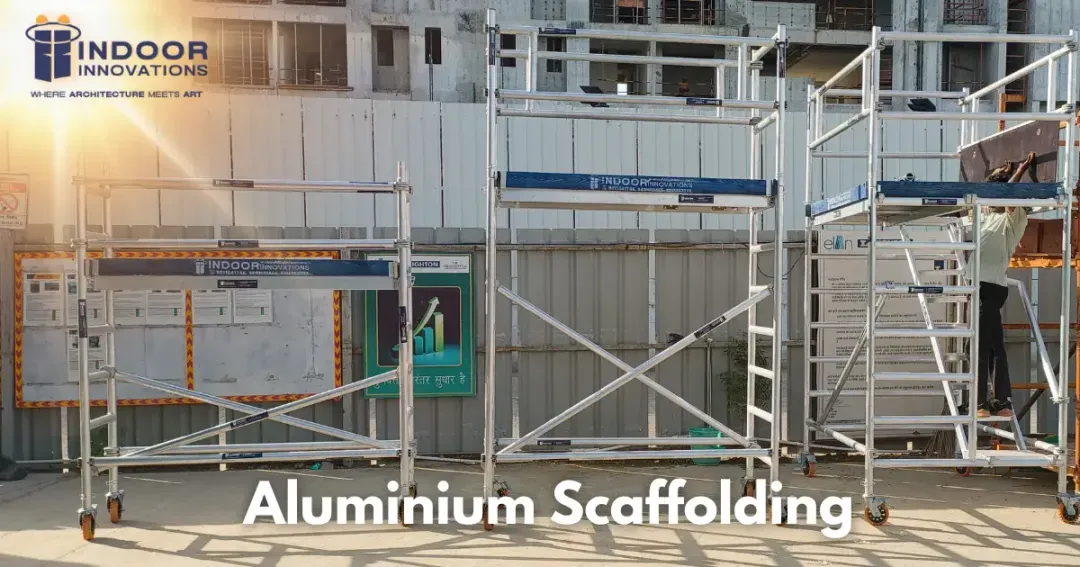
In the modern construction and maintenance landscape, safety, efficiency, and flexibility are crucial. Aluminium Scaffolding is now widely adopted across multiple industries because of its lightweight structure, durability, and user-friendly nature. Be it housing projects, commercial builds, or industrial upkeep, aluminium scaffolds deliver a stable and reliable working platform at height. As the demand for advanced construction solutions grows, businesses are turning to trusted scaffold manufacturer providers to ensure quality and safety in every project.
What is Aluminium Scaffolding?
Aluminium scaffolding refers to temporary structures made from high-quality aluminium materials that support workers and equipment during construction, repair, or maintenance tasks. In contrast to traditional steel options, an Aluminium Scaffold offers a lighter build, simplifying movement, setup, and removal.
They are built using modular parts that enable quick modifications to suit varying project needs. From simple access towers to complex multi-level platforms, aluminium scaffolding offers versatility for a wide range of applications. With corrosion-resistant qualities, it is well-suited for indoor as well as outdoor use, offering long-lasting performance in demanding environments.
Advantages of Using Aluminium Scaffolding
A major advantage of Aluminium Scaffolding is its light construction. This enables quicker handling and installation, lowering labour effort and saving time on site. The scaffold can be shifted and repositioned effortlessly by workers without heavy machinery, boosting productivity.
Another major advantage is durability. Aluminium is naturally resistant to rust and corrosion, ensuring that the scaffolding remains strong and stable over time. This makes it a cost-effective investment for construction companies and contractors who require long-lasting equipment.
Safety is another important aspect. They are equipped with reliable locking systems, slip-resistant platforms, and robust guardrails. These elements significantly lower the chances of accidents and enhance workplace safety. Trusted scaffolding systems play a key role in balancing productivity with worker protection at elevated levels.
Uses of Aluminium Scaffolding in Various Industries
The versatility of aluminium scaffolding allows it to be used in a wide range of industries. In the construction field, it is frequently used for structural work, plastering, painting, and façade finishing. Its adjustable structure suits projects with different heights and complexity levels.
In industrial settings, aluminium scaffolds are used for maintenance tasks such as equipment inspection, repairs, and installation. The lightweight design makes movement within industrial spaces quick and convenient.
The use of Aluminium Scaffold systems is also widespread in the event industry. They support stage construction and lighting installations by offering stable platforms for technicians working at height. Additionally, they are commonly used for cleaning and maintenance in commercial buildings, shopping centres, and airports.
Why Choosing the Right Scaffold Manufacturer Matters
Choosing a reliable scaffold manufacturer is vital for maintaining quality, safety, and efficiency. Trusted manufacturers prioritise high-quality materials, precise design, and rigorous quality control. This ensures that the scaffolding system meets industry standards and delivers reliable performance under different working conditions.
Experienced manufacturers also offer a variety of designs tailored to specific project needs. Whether it is a mobile tower, folding scaffold, or customised Scaffolding solution, choosing the right provider ensures that you get equipment suited to your requirements. Additionally, professional manufacturers provide guidance on proper usage, assembly, and maintenance, helping users maximise the lifespan of their scaffolding systems.
Assembly and Portability Benefits
One notable advantage is how easily aluminium scaffolding can be assembled. Its modular system enables quick setup without the need for specialised tools or advanced training. This reduces downtime and allows projects to progress more efficiently.
Ease of transport is also a significant advantage. Aluminium’s light weight allows easy transportation between sites. This is particularly beneficial for contractors who work on multiple sites and need equipment that can be moved quickly and effortlessly. The ease provided by advanced scaffolding systems boosts workflow and efficiency.
Maintaining Aluminium Scaffolding
The upkeep of aluminium scaffolding is straightforward when compared with other options. Since aluminium does not rust, it requires minimal upkeep, making it a practical choice for long-term use. Basic cleaning and periodic inspections are generally enough to keep it in proper condition.
Investing in high-quality Aluminium Scaffolding ensures durability and consistent performance. With correct maintenance, these systems remain usable for years with minimal wear. As a result, they are favoured by businesses seeking cost-effective and safe solutions.
Sustainability Benefits of Aluminium Scaffolding
Beyond performance, aluminium scaffolding offers environmental advantages. Aluminium is a recyclable material, which means it can be reused and repurposed without losing its quality. This reduces waste and supports sustainable construction practices.
Using aluminium scaffolds contributes to lower environmental impact compared to other materials. With sustainability becoming a priority, eco-friendly scaffolding options help businesses adopt responsible practices without compromising performance.
Safety Guidelines for Aluminium Scaffolding
While aluminium scaffolding is designed for safety, proper usage is essential to minimise risks. Workers should ensure that the scaffold is assembled correctly, with all components securely locked in place. Routine checks are necessary to identify potential issues or damage.
Protective gear like helmets, harnesses, and anti-slip shoes improves safety. It is also important to follow weight limits and avoid overloading the scaffold. Compliance with safety measures ensures a secure environment and lowers accident risks.
Conclusion
Aluminium scaffolding has significantly improved how construction and maintenance work is performed. Its light structure, strength, and adaptability make it suitable for numerous applications. These modern Aluminium Scaffold solutions deliver improved efficiency and safety over conventional systems. Selecting a trusted scaffold manufacturer and adhering to safety guidelines ensures efficient operations and lasting performance. As the construction industry continues to evolve, aluminium scaffolding remains a trusted and innovative choice for working at height.